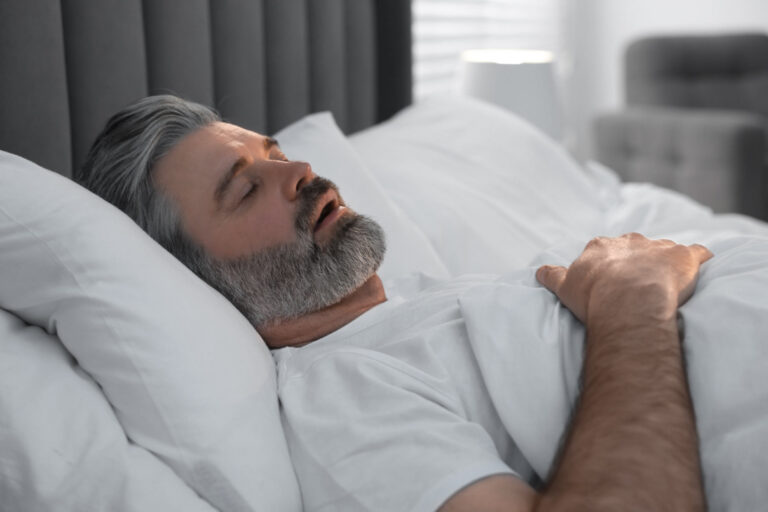
Sleep apnea affects an estimated 1 billion people worldwide. Most of them don’t even know they have it.


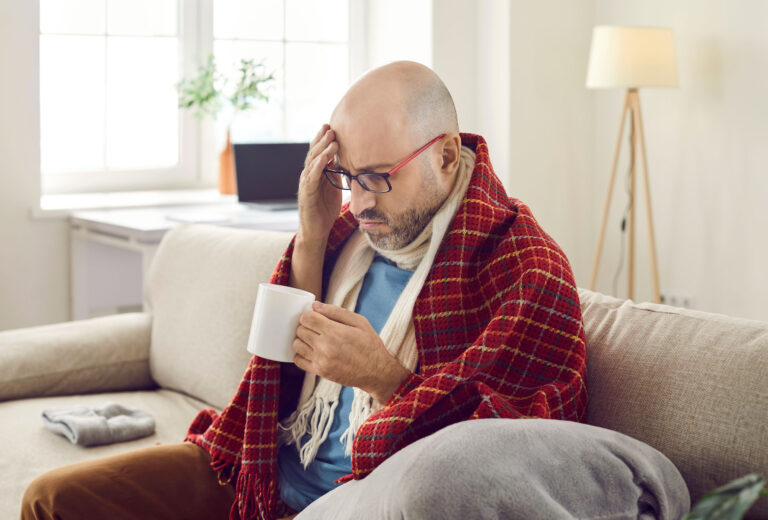
You set your alarm for 7 hours, maybe even 8. You went to bed at a decent hour. But when morning comes, you feel like you barely slept at all. Your head throbs, your eyes are heavy, and no amount of coffee seems to help. Sound familiar?
Or maybe it’s your partner who nudges you awake at 2 AM — again — because your snoring is shaking the walls. You laugh it off. “It’s just snoring,” you say.
But what if it isn’t just snoring? What if something far more serious is happening every single night — while you’re completely unaware of it?
That something is sleep apnea, and it affects an estimated 1 billion people worldwide. Most of them don’t even know they have it.
What Is Sleep Apnea?
Sleep apnea is a condition where your breathing repeatedly stops and starts throughout the night. These pauses can last anywhere from a few seconds to over a minute, and they can happen dozens — sometimes hundreds — of times per night.
There are two main types:
- Obstructive Sleep Apnea (OSA) – The most common form. The muscles in the back of your throat relax too much, causing your airway to physically collapse or become blocked.
- Central Sleep Apnea (CSA) – Less common, but more neurological. Your brain simply fails to send the right signals to the muscles that control breathing.
Both types rob your body of the deep, restorative oxygen it needs to function — night after night after night.
Why Does It Happen?
Sleep apnea doesn’t come out of nowhere. Several lifestyle and physical factors put you directly in its crosshairs:
- Excess weight – Fat deposits around the upper airway narrow the passage and make collapse more likely
- Smoking – Smokers are 3x more likely to develop OSA due to increased inflammation in the throat and airway
- Alcohol and sedatives – These relax the throat muscles, worsening airway collapse during sleep
- Sleeping on your back – Gravity pulls soft tissue toward the airway, partially blocking it
- Anatomy – Large tonsils, a small jaw, or a thick neck can all restrict airflow
- Underlying conditions – Type 2 diabetes, high blood pressure, and heart disease are all closely linked to sleep apnea
The frustrating truth is that many of these triggers are lifestyle-related — meaning sleep apnea is often preventable, or at least manageable, with the right changes.
The Body Under Attack
Here’s where it gets serious. Sleep apnea isn’t just an annoyance — it’s a multi-system assault on your body that compounds every single night it goes untreated.
❤️ Your Heart
Every time your breathing stops, your blood oxygen drops. Your body responds by releasing stress hormones to jolt you back into breathing — spiking your blood pressure and straining your cardiovascular system in the process. Over time, this leads to chronic high blood pressure, irregular heart rhythms (like atrial fibrillation), and a significantly elevated risk of heart attack. Most alarming of all: men with untreated sleep apnea are 3 times more likely to suffer a stroke.
🧠 Your Brain
Your brain never truly gets to rest. Repeated oxygen deprivation causes measurable physical damage — studies have found that the mammillary bodies, the brain structures responsible for memory storage, are up to 20% smaller in people with OSA. The result? Memory loss, difficulty concentrating, mood swings, and a fog that follows you through every waking hour. Long-term, untreated sleep apnea is strongly linked to an increased risk of Alzheimer’s disease and dementia.
⚖️ Your Metabolism
Poor sleep throws your hunger hormones completely out of whack. Ghrelin (the hormone that makes you feel hungry) surges, while leptin (the hormone that tells you you’re full) plummets. The result is unexplained cravings, overeating, and weight gain — which in turn makes the sleep apnea worse. It’s a vicious, self-reinforcing cycle that’s incredibly difficult to break without intervention.
The Hidden Danger: You May Not Know You Have It
This is what makes sleep apnea especially dangerous. Unlike a broken arm or a fever, sleep apnea happens in the dark — literally. You’re unconscious when your airway collapses. You don’t feel the oxygen drop. You don’t remember waking up 40 times.
The only clues are the ones you experience in your waking life: persistent fatigue, morning headaches, irritability, difficulty focusing, and a partner who’s getting increasingly frustrated with your snoring.
Many people spend years — sometimes decades — assuming they’re just “not a morning person” or that they “need more coffee,” never realizing that a serious medical condition has been quietly robbing them of their health the entire time.
What You Can Do About It
The good news: sleep apnea is highly treatable. Here’s where to start:
- CPAP Therapy – The gold standard treatment. A Continuous Positive Airway Pressure (CPAP) machine delivers a steady stream of air through a mask to keep your airway open all night. Most people notice dramatic improvements in energy and cognition within days
- Lose weight – Even a modest reduction in body weight can significantly reduce the severity of OSA
- Quit smoking – Reducing airway inflammation can ease symptoms noticeably
- Reduce alcohol – Especially avoid drinking within 2-3 hours of bedtime
- Sleep on your side – A simple positional change that can make a real difference for mild cases
- Oral appliances – Custom dental devices that reposition the jaw to keep the airway open — a good CPAP alternative for those who struggle with the mask
- Surgery – In some cases, removing enlarged tonsils or correcting anatomical issues can resolve the problem entirely
The Bottom Line
If you regularly wake up tired, battle through brain fog, snore loudly, or wake up with morning headaches — please don’t ignore it.
Talk to your doctor. Ask about a sleep study. It can be done in a clinic or even from the comfort of your own home with modern at-home sleep testing kits.
Sleep apnea is silent. It’s sneaky. And for millions of people, it’s stealing years from their lives one interrupted breath at a time.
The first step to taking your sleep — and your health — back is simply knowing what you’re dealing with. Now you do.
Have you or someone you love been diagnosed with sleep apnea? Share your experience in the comments below — your story could help someone else get the help they need. 👇
Sign up for an appointment
It just takes a few minutes to sign up and get fast, easy access to care, 24/7. No need for your insurance card yet.
Tags: sleep
Meet The Author