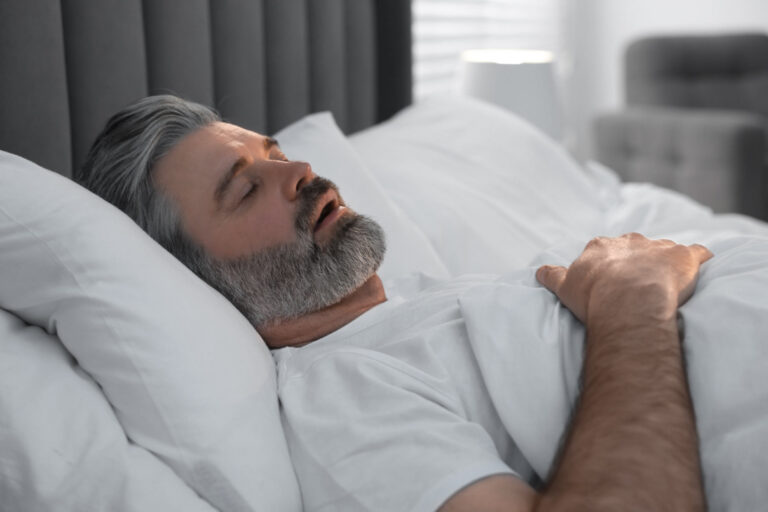
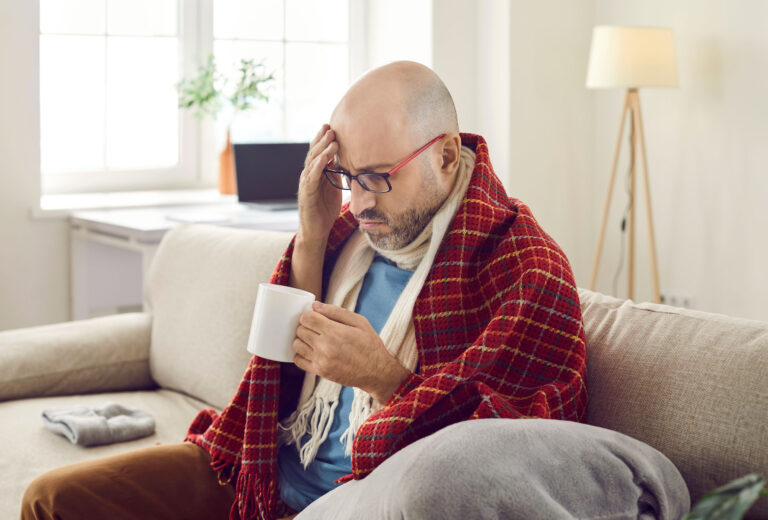
Late nights, travel, and festive indulgence can worsen sleep apnoea. Learn what to watch for, practical tips, and how to protect your sleep this holiday season.


The holiday season is a time of joy, connection, and celebration. It’s also a season of late nights, indulgent meals, travel, and, sometimes, a few extra drinks. For most people, these occasional changes to routine are harmless—but for individuals with sleep apnoea, the holiday season can bring unique challenges that impact both sleep and overall health.
At IHeart Smiles AU, we want to ensure you enjoy the festivities while staying mindful of your sleep health. In this guide, we’ll cover what to watch out for during the holidays, how lifestyle changes can affect sleep apnoea, and practical strategies to protect your rest.
How the Holidays Can Affect Sleep Apnoea
Sleep apnoea is a condition that affects breathing during sleep. When left unmanaged—or when lifestyle changes exacerbate symptoms—it can lead to fatigue, irritability, and even more serious health complications. During the holiday season, several common habits can unintentionally worsen sleep apnoea:
1. Increased Alcohol Intake
Alcohol is a staple in many holiday celebrations, from festive cocktails to a nightcap after dinner. However, alcohol relaxes the muscles of the throat, which can worsen snoring and apnoeic episodes. Even small amounts of alcohol before bed can reduce the effectiveness of your CPAP therapy or oral appliance, making it harder to maintain restful, uninterrupted sleep.
Tip: Try to limit alcohol close to bedtime and allow several hours between your last drink and when you go to sleep. Staying hydrated and enjoying alcohol in moderation can help reduce its impact on your breathing during the night.
2. Weight Gain
It’s common to enjoy indulgent foods over the holidays, but even short-term weight gain can affect sleep apnoea. Extra weight, particularly around the neck and upper airway, can increase airway obstruction during sleep, leading to louder snoring and more frequent apnoeic events.
Tip: Balance festive meals with lighter options, stay active with walks or holiday exercise routines, and listen to your body’s signals for fullness. Even small lifestyle adjustments can make a meaningful difference in your sleep quality.
3. Disrupted Sleep Schedules
The holidays often bring travel, late-night parties, and early morning events, which can disrupt your regular sleep schedule. Irregular sleep can worsen daytime fatigue and reduce the restorative benefits of sleep therapy for sleep apnoea.
Tip: Try to maintain consistent bedtimes and wake-up times, even during travel or social events. If your schedule is unpredictable, prioritise at least 7–8 hours of sleep and use relaxation techniques like deep breathing or gentle stretching to prepare your body for rest.
4. Worsening Symptoms
Some of the most noticeable effects of holiday lifestyle changes on sleep apnoea include:
- Louder or more frequent snoring
- Choking, gasping, or pauses in breathing during sleep
- Waking up feeling unrefreshed despite a “full night” of sleep
These symptoms aren’t just minor inconveniences—they are signs that your sleep is being disrupted and that your body isn’t getting the restorative rest it needs.
Recognising Warning Signs
It’s easy to dismiss fatigue and headaches during the holidays as a natural consequence of celebrations. However, persistent symptoms may indicate sleep apnoea rather than simple holiday exhaustion. Watch for:
- Daytime fatigue: Feeling sleepy, drowsy, or lacking energy despite adequate hours of sleep
- Morning headaches: Caused by oxygen deprivation or poor sleep quality
- Irritability or mood changes: Sleep disruption can impact your emotional regulation
- Loud, chronic snoring: Often noticed by a partner or family member
If you or a loved one experience these signs, it’s important to take them seriously. Sleep apnoea doesn’t resolve on its own, and early intervention can dramatically improve both sleep and overall health.
The Good News: Awareness is the First Step
The first step toward better sleep—and better health—is awareness. Simply recognising how holiday habits can affect sleep apnoea allows you to make proactive choices.
With the right strategies, you can enjoy the holiday season without compromising your sleep:
- Stay consistent with your CPAP or oral appliance therapy
- Monitor alcohol intake and choose lighter alternatives when possible
- Maintain healthy eating habits and stay active
- Prioritise sleep by sticking to a regular schedule and creating a restful sleep environment
By combining these strategies, you can reduce the risk of sleep disruption and maintain the energy and focus needed to fully enjoy your celebrations.
Give the Gift of Better Sleep
This holiday season, consider sleep health as a gift—for yourself or a loved one. Quality sleep is essential for physical health, emotional well-being, and overall quality of life. For individuals with sleep apnoea, effective management can improve energy, mood, and daily functioning.
If you suspect you might have sleep apnoea—or if you want to ensure your therapy is working effectively—you can take the first step today. IHeart Smiles AU offers free consultations to help assess your sleep health and recommend personalised solutions.
Book your free consultation here:
👉 http://www.iheartsleep.com.au/book-consult
Practical Holiday Tips for Sleep Apnoea Management
Here are some practical ways to protect your sleep while still enjoying the festive season:
- Pack Your Therapy Equipment When Traveling
Bring your CPAP machine or oral appliance on trips, along with any necessary accessories. Being prepared reduces the risk of skipping therapy. - Create a Relaxing Sleep Environment
Even in unfamiliar settings, try to maintain darkness, a cool temperature, and quiet. Noise-cancelling headphones or white noise machines can help. - Prioritise Rest After Late Nights
If you stay up late for a holiday event, try to take a brief nap earlier in the day rather than sleeping in excessively the next morning. - Stay Active
Physical activity can help offset extra calories, reduce weight gain, and improve sleep quality. Even light walking or holiday-themed activities can be beneficial. - Mind Your Diet
While festive treats are part of the season, balance them with nutritious options. Avoid heavy, late-night meals that can disrupt breathing during sleep. - Monitor Symptoms
Keep an eye out for snoring, choking, gasping, or daytime fatigue. If symptoms worsen, don’t wait—consult a professional.
Final Thoughts
The holiday season is about enjoying time with loved ones, celebrating achievements, and reflecting on the year. For individuals with sleep apnoea, it’s also a time to remain mindful of habits that can impact sleep. With awareness, consistency, and self-care, you can navigate the festive period without compromising your health.
Remember: sleep health is a gift that keeps on giving. By taking steps to manage sleep apnoea effectively, you improve not only your nights but your days, mood, and overall quality of life.
From all of us at IHeart Smiles AU, we wish you a joyful, restful holiday season. Give yourself—or someone you love—the gift of better sleep this year.
✨ Sleep well, celebrate safely, and welcome the new year with renewed energy!
Book your free consultation today:
👉 http://www.iheartsleep.com.au/book-consult
Sign up for an appointment
It just takes a few minutes to sign up and get fast, easy access to care, 24/7. No need for your insurance card yet.
Tags: sleep
Meet The Author