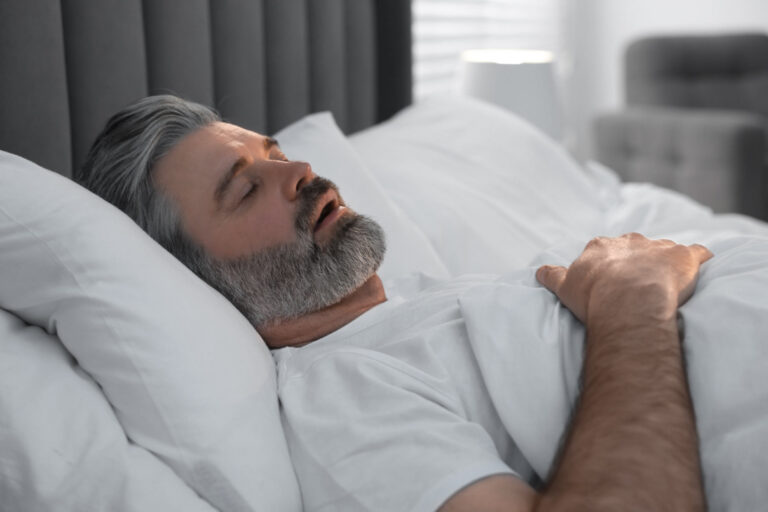
Persistent fatigue, snoring, or morning headaches may signal sleep apnoea. Discover common symptoms, risks, and how to get a free consultation at IHeart Smiles AU.


Do you wake up feeling exhausted even after a full night’s sleep? Struggle to stay awake during the day, or find yourself reaching for multiple cups of coffee just to keep going? If this sounds familiar, you’re not alone—and it could be more than just a “bad night.”
Many people experience persistent fatigue without realizing that an underlying health condition may be the cause. One of the most common—but often undiagnosed—conditions is sleep apnoea. At IHeart Smiles AU, we help individuals identify, manage, and treat sleep apnoea to improve overall health, energy, and quality of life.
What Is Sleep Apnoea?
Sleep apnoea is a sleep disorder that occurs when your breathing repeatedly stops and starts during sleep. These pauses in breathing can last for a few seconds to over a minute and may happen dozens of times per night.
There are different types of sleep apnoea:
- Obstructive Sleep Apnoea (OSA) – The most common type, caused by the relaxation of throat muscles that block the airway.
- Central Sleep Apnoea (CSA) – Occurs when the brain doesn’t send proper signals to the muscles that control breathing.
- Complex or Mixed Sleep Apnoea – A combination of obstructive and central sleep apnoea.
While the mechanisms may differ, all types disrupt restorative sleep and can lead to significant daytime fatigue, irritability, and long-term health consequences.
Common Symptoms of Sleep Apnoea
Sleep apnoea is often overlooked because its symptoms can be subtle—or mistakenly attributed to stress, a busy lifestyle, or aging. Being aware of the warning signs is key to early diagnosis and treatment.
Some of the most common symptoms include:
- Loud or chronic snoring
Not just occasional snoring—persistent loud snoring can indicate that your airway is partially blocked during sleep. - Waking up gasping or choking
You may not even be aware you’re waking, but your bed partner might notice episodes of choking or sudden gasps. - Morning headaches
Poor oxygenation and disrupted sleep cycles can lead to headaches upon waking. - Brain fog or trouble concentrating
Interrupted sleep can impair cognitive function, making it difficult to focus, remember details, or stay alert during the day. - Daytime fatigue or irritability
Feeling constantly tired, moody, or irritable despite seemingly adequate sleep is a red flag for disrupted rest.
Recognizing these symptoms is the first step toward better sleep health. If multiple symptoms resonate with you—or if a loved one notices them—it’s time to seek professional guidance.
Why Sleep Apnoea Matters
Sleep apnoea isn’t just about feeling tired. Left untreated, it can have serious consequences for your overall health and well-being:
- Heart health risks – Repeated drops in oxygen levels can strain the cardiovascular system, increasing the risk of high blood pressure, heart attack, and stroke.
- Weight and metabolism – Sleep disruption affects appetite-regulating hormones, contributing to weight gain and metabolic issues.
- Mood and mental health – Sleep deprivation increases irritability, anxiety, and depression.
- Quality of life – Chronic fatigue and brain fog can reduce productivity, limit physical activity, and impact personal relationships.
Sleep apnoea is a manageable condition, but early intervention is crucial to prevent long-term complications.
What You Can Do
If you suspect you have sleep apnoea, taking action now can dramatically improve your sleep, energy levels, and health. Here’s how to get started:
1. Observe Your Symptoms
Pay attention to your sleep patterns and any daytime signs of fatigue. Ask a bed partner if they notice snoring, choking, or pauses in breathing. Keeping a sleep diary can help track patterns.
2. Seek a Professional Assessment
A qualified sleep doctor can evaluate your symptoms, perform sleep studies if needed, and determine whether you have sleep apnoea.
3. Explore Treatment Options
Treatment depends on the type and severity of sleep apnoea and may include:
- CPAP therapy – A device that delivers continuous positive airway pressure to keep your airway open during sleep.
- Oral appliances – Custom devices that reposition the jaw and tongue to improve airflow.
- Lifestyle modifications – Weight management, limiting alcohol, adjusting sleep position, and consistent sleep routines can all help.
- Surgery or other interventions – For severe cases or anatomical issues, surgical options may be recommended.
4. Prioritize Sleep Hygiene
Even before treatment begins, good sleep habits can reduce symptom severity:
- Maintain a consistent sleep schedule
- Create a dark, cool, quiet sleep environment
- Limit caffeine and alcohol, especially in the evening
- Avoid heavy meals close to bedtime
Taking the First Step
Awareness is the most important first step toward better sleep. If any of the symptoms described here sound familiar—or if you suspect you might have sleep apnoea—it’s time to consult a professional.
At IHeart Smiles AU, we offer free consultations with our experienced sleep doctors. During your consult, you’ll receive expert guidance tailored to your situation and recommendations for next steps toward better sleep and improved health.
Book your free consultation today:
👉 www.iheartsleep.com.au/book-consult
A Healthier, More Restful Future
Living with sleep apnoea doesn’t mean resigning yourself to fatigue or “just getting by.” With proper diagnosis and management, it’s possible to regain energy, focus, and overall well-being.
Imagine waking up refreshed, maintaining consistent energy throughout the day, and improving your long-term heart and mental health. Taking action now can make that vision a reality.
Key Takeaways
- Feeling tired despite adequate sleep may signal sleep apnoea.
- Common symptoms include snoring, gasping, morning headaches, brain fog, and daytime fatigue.
- Untreated sleep apnoea can affect heart health, mood, weight, and quality of life.
- Awareness and early intervention are key—professional guidance can make all the difference.
- Book a free consultation with IHeart Smiles AU to take the first step toward better sleep.
💙 Don’t let sleep apnoea steal your energy or your health. This is the year to prioritise sleep and give yourself the gift of restful, restorative nights.
Book your free consultation today:
👉 www.iheartsleep.com.au/book-consult
Sign up for an appointment
It just takes a few minutes to sign up and get fast, easy access to care, 24/7. No need for your insurance card yet.
Tags: sleep
Meet The Author