
Sleep apnoea, chronic snoring and intermittent mouth breathing affect thousands of Australians every night, often leading to poor sleep quality, fatigue and long-term health issues. This comprehensive guide explains the connection between obstructive sleep apnoea, …

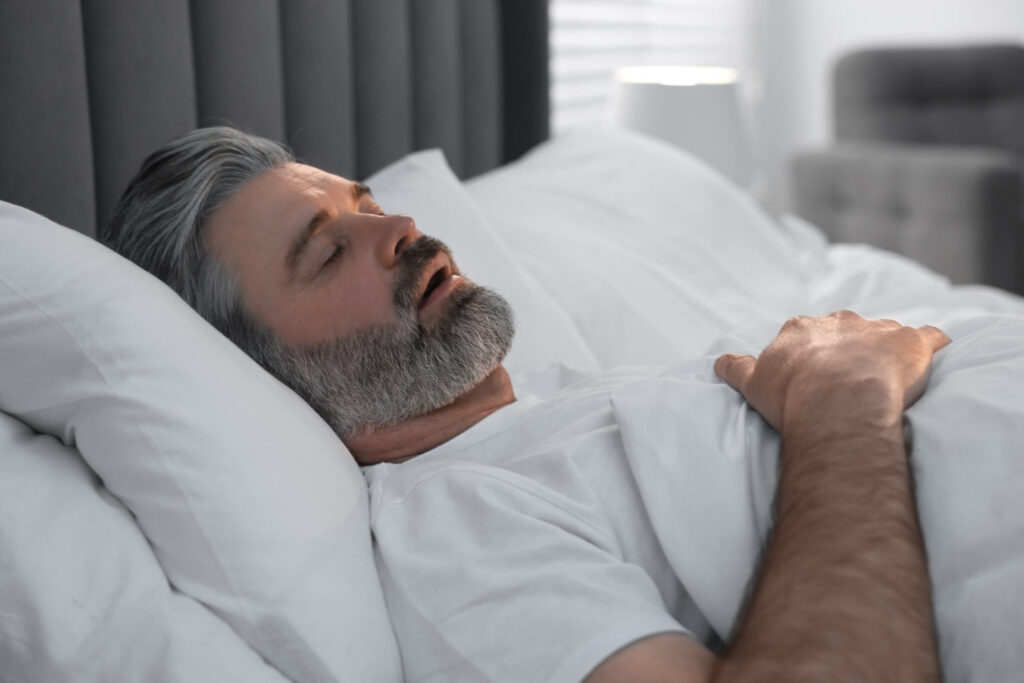
Sleep should leave you feeling refreshed, energised and ready to tackle the day. But for many Australians living with sleep apnoea, chronic snoring and intermittent mouth breathing, every night can become a struggle for proper rest. Loud snoring, waking up gasping for air, dry mouth in the morning and ongoing fatigue are not just annoying symptoms — they may be signs of a serious sleep breathing disorder affecting your overall health and quality of life.
In Australia, obstructive sleep apnoea (OSA) is becoming increasingly common, with thousands of adults experiencing disrupted breathing during sleep without even realising it. Many sufferers dismiss their symptoms as “just snoring,” while others assume mouth breathing at night is harmless. In reality, untreated sleep apnoea can increase the risk of cardiovascular disease, high blood pressure, diabetes, anxiety, poor concentration and chronic exhaustion.
If you struggle with loud snoring, blocked nasal breathing, dry mouth or interrupted sleep, understanding the connection between sleep apnoea and mouth breathing may help you find lasting relief. Australians experiencing these symptoms can book a free consultation with iHeart Sleep to discuss potential treatment options and sleep support.
What Is Sleep Apnoea?
Sleep apnoea is a sleep disorder where breathing repeatedly stops and starts during sleep. The most common form is obstructive sleep apnoea, where the airway partially or fully collapses during the night.
Common symptoms of sleep apnoea include:
- Loud chronic snoring
- Gasping or choking during sleep
- Waking frequently throughout the night
- Morning headaches
- Dry mouth or sore throat
- Daytime fatigue and sleepiness
- Poor memory and concentration
- Irritability or mood changes
- Intermittent mouth breathing during sleep
Many Australians with sleep apnoea are unaware they have the condition because the breathing interruptions happen while they are asleep. Often, a partner notices the snoring or pauses in breathing first.
If these symptoms sound familiar, consider booking a free consultation with iHeart Sleep to learn more about sleep apnoea testing and treatment solutions.
Why Snoring Should Never Be Ignored
Snoring occurs when airflow is restricted in the upper airway, causing vibrations in the throat tissues. While occasional snoring can be harmless, persistent loud snoring is one of the biggest warning signs of obstructive sleep apnoea.
In many cases, snoring worsens because of:
- Nasal congestion
- Deviated septum
- Obesity or excess weight
- Sleeping on the back
- Alcohol consumption before bed
- Poor nasal breathing habits
- Mouth breathing during sleep
For Australians searching online for “how to stop snoring,” “snoring treatment Australia,” or “best solution for sleep apnoea,” the answer often begins with identifying the underlying airway issue rather than simply masking the sound.
People struggling with chronic snoring and poor sleep quality can also book a free consult with iHeart Sleep for guidance on effective sleep apnoea and snoring treatments.
The Hidden Problem with Mouth Breathing
Intermittent mouth breathing is extremely common among people with sleep apnoea and chronic snoring. When nasal breathing becomes restricted, the body compensates by opening the mouth to increase airflow.
Unfortunately, breathing through the mouth during sleep can create a range of additional health problems.
Symptoms of Night-Time Mouth Breathing
- Dry mouth upon waking
- Bad breath
- Sore throat
- Increased snoring
- Poor sleep quality
- Drooling during sleep
- Fatigue during the day
- Worsening sleep apnoea symptoms
Mouth breathing also reduces the natural benefits of nasal breathing. The nose filters, humidifies and warms the air before it reaches the lungs. Nasal breathing also supports nitric oxide production, which helps oxygen circulation throughout the body.
When someone constantly breathes through their mouth at night, sleep quality and oxygen efficiency may decline significantly.
The Link Between Nasal Congestion and Sleep Apnoea
Many Australian adults experience chronic nasal congestion caused by allergies, sinus problems, dust, pollen or structural nasal issues. Unfortunately, blocked nasal passages can contribute directly to snoring and obstructive sleep apnoea.
When the nose becomes obstructed:
- Airflow resistance increases
- Mouth breathing becomes more common
- The airway becomes more unstable
- Snoring intensifies
- Sleep apnoea episodes may worsen
This is why improving nasal breathing is often a major part of sleep apnoea treatment.
If nasal congestion, snoring or mouth breathing are affecting your sleep, you can arrange a free consultation with iHeart Sleep to discuss suitable next steps.
Common Causes of Mouth Breathing During Sleep
There are several reasons why Australians may experience intermittent mouth breathing at night:
Allergies and Hay Fever
Australia’s climate can trigger seasonal allergies and chronic hay fever, leading to nasal blockage and overnight mouth breathing.
Deviated Septum
A deviated septum can significantly reduce airflow through the nose, forcing people to breathe through their mouth while sleeping.
Enlarged Tonsils or Adenoids
These can narrow the airway and contribute to both snoring and sleep apnoea.
Obesity and Excess Weight
Excess tissue around the neck and throat increases airway collapse risk during sleep.
Poor Sleep Position
Sleeping on the back may worsen airway obstruction and encourage mouth breathing.
How Sleep Apnoea Impacts Overall Health
Untreated obstructive sleep apnoea is far more serious than simple snoring. Over time, disrupted breathing and reduced oxygen levels can affect nearly every system in the body.
Cardiovascular Health Risks
Sleep apnoea is linked with:
- High blood pressure
- Heart disease
- Stroke risk
- Irregular heartbeat
Mental Health Effects
Poor sleep quality can contribute to:
- Anxiety
- Depression
- Mood swings
- Brain fog
- Reduced productivity
Weight Gain and Metabolism Problems
Sleep deprivation may disrupt hunger hormones and increase cravings, contributing to weight gain and metabolic dysfunction.
Relationship Strain
Chronic snoring often affects both the sufferer and their partner, leading to disrupted sleep, separate bedrooms and ongoing frustration.
Sleep Apnoea Treatment Options in Australia
The good news is that sleep apnoea and snoring can often be treated successfully. Australians now have access to a wide range of sleep apnoea treatment options depending on the severity of their symptoms.
CPAP Therapy
Continuous Positive Airway Pressure (CPAP) therapy remains one of the most effective treatments for moderate to severe obstructive sleep apnoea.
A CPAP machine delivers steady airflow through a mask to keep the airway open during sleep.
Benefits of CPAP therapy include:
- Reduced snoring
- Improved oxygen levels
- Better sleep quality
- Increased daytime energy
- Lower cardiovascular risk
However, some Australians struggle with CPAP compliance due to discomfort, dry mouth or mask issues.
If you are considering CPAP therapy or struggling with an existing machine, you can book a free consultation with iHeart Sleep for personalised support.
Nasal Breathing Support and Mouth Tape
For people with intermittent mouth breathing, improving nasal breathing can sometimes reduce snoring and support better sleep quality.
Some Australians use mouth tape for sleep to encourage nasal breathing overnight. However, mouth taping should only be considered if nasal breathing is already functional and clear. Individuals with moderate or severe sleep apnoea should consult a sleep specialist before trying mouth taping.
Mandibular Advancement Splints
Dental sleep devices, also known as mandibular advancement splints, can help reposition the jaw and reduce airway collapse.
These devices are commonly recommended for mild to moderate sleep apnoea and chronic snoring.
Weight Loss and Lifestyle Changes
Weight reduction may significantly improve sleep apnoea symptoms for overweight individuals.
Lifestyle strategies include:
- Reducing alcohol intake
- Avoiding sedatives before bed
- Sleeping on the side
- Improving sleep hygiene
- Managing allergies and sinus congestion
- Exercising regularly
Nasal Surgery or ENT Treatment
For Australians with structural nasal issues, ENT assessment may help identify problems such as:
- Deviated septum
- Enlarged turbinates
- Chronic sinus blockage
- Nasal polyps
Correcting nasal obstruction can improve airflow and reduce mouth breathing.
Tips to Reduce Snoring and Mouth Breathing Naturally
If you are searching for natural snoring remedies or ways to improve breathing during sleep, these strategies may help.
Prioritise Nasal Breathing
Practice breathing through your nose during the day whenever possible.
Manage Allergies
Use saline rinses, air purifiers or allergy treatments to improve nasal airflow.
Stay Hydrated
Dry airways can worsen snoring and mouth breathing.
Improve Sleep Position
Sleeping on your side may reduce airway collapse and snoring intensity.
Maintain a Healthy Weight
Weight management plays a major role in reducing sleep apnoea severity.
Create a Sleep-Friendly Environment
Keep the bedroom cool, dark and quiet to support deeper sleep.
Australians looking for professional support with snoring, mouth breathing or obstructive sleep apnoea can also schedule a free consultation with iHeart Sleep.
When to Seek Professional Help
Many Australians delay seeking help because they believe snoring is normal. However, you should speak with a healthcare professional or sleep specialist if you experience:
- Loud nightly snoring
- Witnessed breathing pauses
- Excessive daytime fatigue
- Morning headaches
- Dry mouth every morning
- Waking up choking or gasping
- Difficulty concentrating
- Poor sleep quality despite enough time in bed
A sleep study may help diagnose obstructive sleep apnoea and determine the most effective treatment plan.
Better Breathing Means Better Sleep
Sleep apnoea, snoring and intermittent mouth breathing are closely connected issues that can seriously impact physical health, mental wellbeing and daily performance. Fortunately, with proper diagnosis and treatment, many Australians experience dramatic improvements in sleep quality, energy levels and overall health.
Whether the solution involves CPAP therapy, improving nasal breathing, treating nasal obstruction or making lifestyle changes, addressing the root cause of disrupted breathing is the key to better sleep.
If you constantly wake feeling exhausted, struggle with chronic snoring or notice frequent mouth breathing during the night, it may be time to take your symptoms seriously. Quality sleep is not a luxury — it is one of the foundations of long-term health and wellbeing.
If you are experiencing symptoms of sleep apnoea, snoring or mouth breathing, book a free consultation with iHeart Sleep to explore treatment options and start improving your sleep health today.
Sign up for an appointment
It just takes a few minutes to sign up and get fast, easy access to care, 24/7. No need for your insurance card yet.
Tags: sleep
Meet The Author